Rubery: A Distressed Sans-Serif with Raw Character
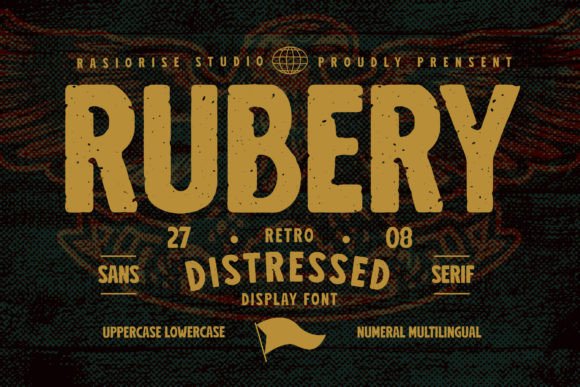
Finding a typeface that feels both modern and authentically textured can be a challenge for designers. Rubery steps into this space as a distressed sans-serif font, offering a raw, grunge aesthetic built on clean geometric shapes. It’s designed for projects that need to convey authenticity, edge, or a handmade quality without sacrificing legibility.
This creative font blends the structured clarity of a sans-serif with an intentionally weathered appearance. The result is a typeface with personality—each letterform carries subtle imperfections that suggest craftsmanship, age, or urban influence. For designers, this means you can add visual interest and emotional depth to your work simply through your typographic choices.
Where Rubery Shines: Practical Design Applications
Understanding where a distressed sans-serif font like Rubery fits best is key to using it effectively. Its unique texture makes it ideal for projects where you want to stand out and make a statement. Consider using it for:
- Brand Identity & Logo Design: Perfect for brands in music, streetwear, craft brewing, or outdoor adventure that aim for a rugged, authentic vibe.
- Poster and Packaging Design: The textured letterforms grab attention on posters, merchandise tags, and product packaging, especially for artisanal or limited-edition goods.
- Social Media Graphics: Create scroll-stopping visuals for Instagram, YouTube thumbnails, or event promotions that need an energetic, raw feel.
- Editorial and Web Design: Use it for headlines in magazines, blogs, or website hero sections to add a layer of visual storytelling and break the monotony of clean layouts.
Rubery can also lend a distinctive touch to wedding invitations, album covers, and digital product branding, helping to establish a memorable and cohesive visual narrative.
Tips for Choosing and Using This Typeface
Before you download or purchase a premium font like Rubery, a few practical considerations will ensure it works well for your project. First, always test the font at the size you intend to use it. Distressed textures can sometimes reduce readability in small body text, so Rubery is best suited for display purposes like titles, headers, and impactful logos.
Next, think about mood and font pairing. Its grunge aesthetic pairs beautifully with simpler, cleaner fonts to create contrast and hierarchy. Try combining it with a neutral sans-serif for body copy or a elegant script font for a touch of sophistication. This balance prevents the design from becoming visually overwhelming while highlighting Rubery’s unique character.
Also, review the available styles and weights. A robust typeface family offers more flexibility for creating dynamic layouts. Finally, ensure the font’s license matches your intended use, whether for personal projects, commercial client work, or digital products for sale.
Ultimately, selecting the right typeface is about more than just aesthetics; it’s a strategic decision that impacts brand recognition and professional presentation. A well-chosen font like Rubery can unify a design system, evoke the right emotions, and communicate a brand’s core identity at a glance. By integrating a thoughtfully designed distressed sans-serif into your toolkit, you gain a powerful asset for creating visuals that are not only polished but also rich with texture and story.