Some Assembly: A Geometric Font with Creative Edge
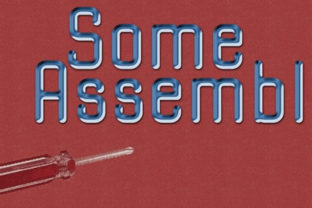
Imagine a typeface that blends clean, geometric structure with a touch of rugged character. That's the experience Some Assembly delivers, a sans serif printer font designed to make an impact. While it encountered a few challenges in its early printing days, it has evolved into a versatile family of distressed styles, offering designers a unique toolkit for projects that demand both legibility and a distinctive, textured personality.
Understanding Some Assembly
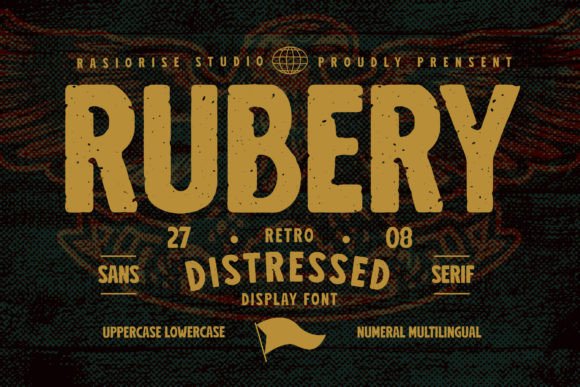
At its core, Some Assembly is a geometric sans serif. This means its letterforms are built on simple shapes like circles and squares, giving it a modern, orderly foundation. This inherent structure ensures it remains highly legible, even in its more stylized variations. What sets it apart is its collection of distressed styles, which introduce intentional imperfections, scratches, and textures. This combination of clean geometry and organic distressing creates a dynamic visual tension, perfect for designs that need to feel both contemporary and authentic.
Creative Projects That Benefit
The true value of a premium font like this lies in its application. Its pleasant styling and legible geometry make it a strong candidate for a wide array of creative work. Consider using it for:
- Logo Design & Brand Identity: It can give a brand a modern, approachable yet slightly edgy feel, ideal for startups, creative agencies, or artisanal products.
- Poster & Editorial Design: The distressed styles add visual interest to headlines and pull quotes, grabbing attention in magazines, event posters, or book covers.
- Packaging Design: For products like craft coffee, cosmetics, or specialty foods, it conveys quality and a handcrafted sensibility.
- Social Media Graphics & Web Design: Its clarity ensures readability on screens, while its character helps posts and website headers stand out in a crowded feed.
- Merchandise & Invitations: T-shirts, tote bags, and event invitations gain a unique, tactile quality that resonates with audiences.
Tips for Choosing and Using This Typeface
Integrating a new typeface into your workflow requires a bit of thought to maximize its potential. Here are some practical tips for working with Some Assembly:
- Test Readability in Context: Always check how the font looks at the actual size it will be used, especially for body text or smaller digital elements. Its geometric base helps, but the distressed effects are best for larger display text.
- Match the Mood: Assess the various styles. A cleaner version might suit a corporate report, while a heavily distressed style is perfect for a music festival poster. Ensure the font's personality aligns with your project's tone.
- Experiment with Font Pairing: Combine it with a complementary serif font for elegant contrast or a simple script font for a more personal touch. Good pairing creates hierarchy and visual interest.
- Review the Full Family: Explore all the offered styles. Having multiple weights and distress levels provides design flexibility, allowing you to maintain consistency while varying emphasis across a project.
- Confirm the License: Before finalizing any commercial font for client work or products, verify that the license covers your intended use, whether for digital design assets, print, or merchandise.
The Impact of a Well-Chosen Font
Selecting the right creative font is more than an aesthetic choice; it's a strategic one. A thoughtfully designed typeface like Some Assembly contributes directly to visual consistency across all your brand touchpoints. It strengthens brand recognition by carrying a unique visual signature, and it elevates the professional presentation of your work, making it look more polished and considered.
Ultimately, investing time in exploring and understanding a font's capabilities pays off. By considering how its style, versatility, and technical qualities align with your creative goals, you can harness its full potential to produce designs that are not only beautiful but also effective and memorable.